
My son joined his football team when he was five years old. Five.
He turned up to his very first session in boots that were too big, a shirt tucked into his tracksuit bottoms, and a smile that could light up a stadium. He didn’t care about tactics, formations, or league tables. He cared about seeing his mates, chasing a football around, and feeling like he belonged to something. That club became part of our family life.
Tuesday training. Saturday mornings freezing on the touchline playing matches. Summer tournaments. Countless car journeys. Birthday parties with teammates. Watching confidence grow year after year. Half of his entire life has been tied to that badge, those coaches, and those boys.
And now, at ten years old, he’s been told he’s no longer good enough “Released.”
Imagine using that word about a child in grassroots football. Not a professional academy. Not elite level. Not children fighting for contracts or careers. Ten-year-old boys playing football with their friends.
The hardest part wasn’t even hearing the decision ourselves. It was watching our son try to understand it.
Watching him ask:
“Was I that bad?”
“Why don’t they want me anymore?”
“Can I still see my friends?”
“What did I do wrong?”
And as a parent, what are you supposed to say?
Because the truth is, he didn’t do anything wrong.
He turned up in the rain.
He trained when he was tired.
He listened.
He tried.
He cared.
But somewhere along the line, grassroots football stopped being about development and started becoming about winning at all costs. Coaches talk endlessly about “player pathways,” “development,” and “respect,” but too often the reality is very different. The strongest stay. The weakest are quietly moved aside. New players are brought in. Results become more important than children.
At ten years old.
What hurts most is that kids don’t separate football from identity the way adults do. To adults, it’s “just football.” To children, it’s belonging. Friendship. Confidence. Routine. Self-worth.
When you remove a child from the only club they’ve ever known, you’re not just taking away matches on a Saturday morning. You’re taking away part of their world.
And for what?
To win a few more grassroots games?
To climb a league table nobody will remember in a few months?
To satisfy the egos of adults living through children?
I’m not angry because my child isn’t the best player. Most parents know exactly where their child stands ability-wise. That’s life and sport. Not every kid becomes a star.
I’m angry because children are being treated like disposable assets before they’ve even reached secondary school.
Some of the best adult footballers were average at ten.
Some kids bloom late.
Some just need patience, encouragement, and belief.
But patience doesn’t help adults obsessed with winning now.
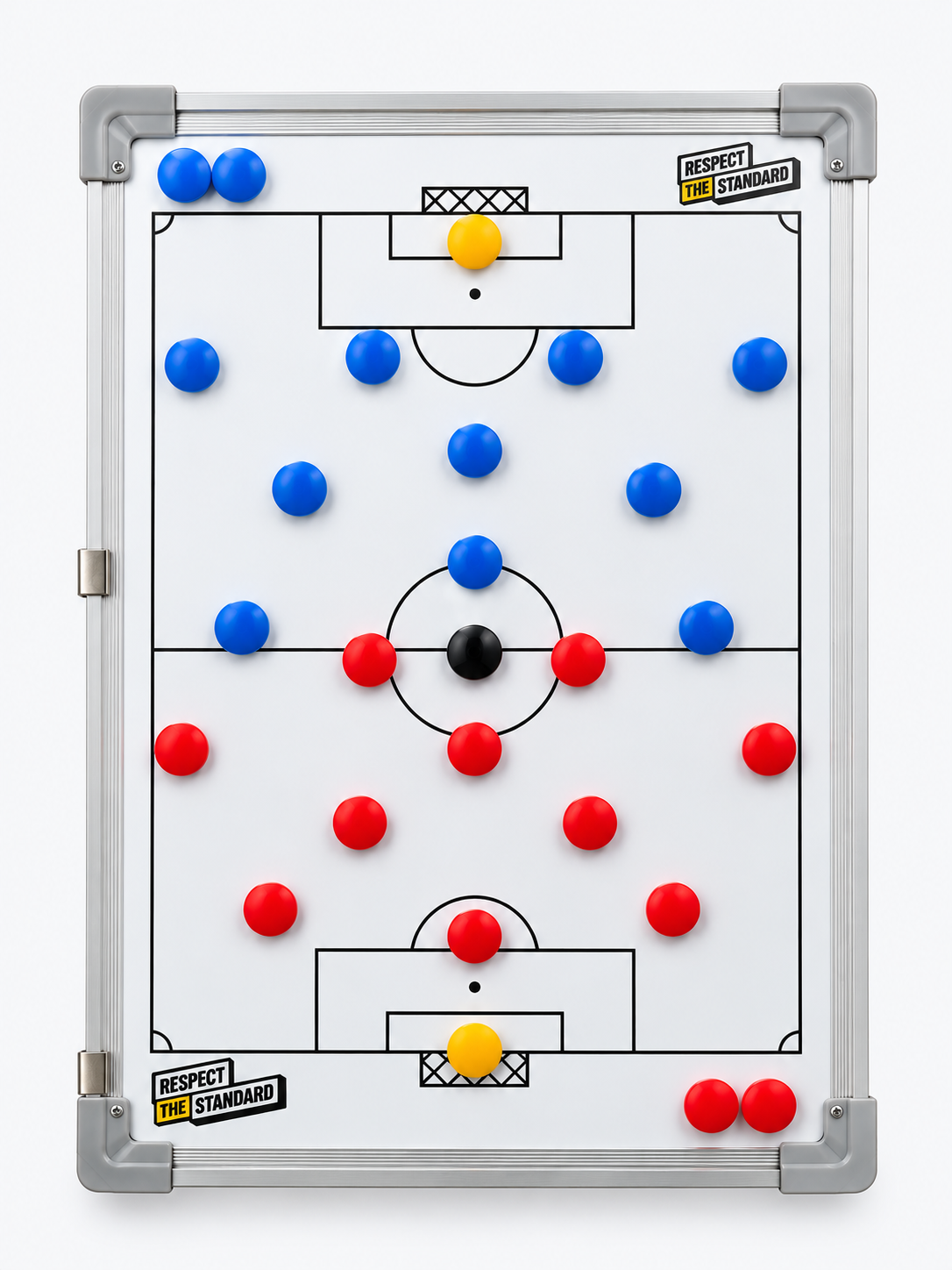
So tonight, while adults move magnets around tactics boards and talk about building “stronger squads,” there’s a ten-year-old boy lying in bed wondering why the club he loved doesn’t want him anymore.
And honestly, that should shame every adult involved.
To the genuine grassroots coaches out there — the ones who put children before trophies, development before results, and kindness before ego — thank you. You are the reason many kids stay in the game.
But to the “win at all costs” coaches releasing children before they’ve even finished primary school:
Please remember these are not players first.
They are children.








0 Comments